
In today’s hyper-competitive job market, the fusion of technical expertise with practical, hands-on experience isn’t just beneficial – it’s essential. Think of it as the secret sauce that propels individuals from competent to exceptional. This combination doesn’t merely enhance your resume; it transforms you into a sought-after asset in any industry. The urgency to master this blend has never been more critical. Opportunities are fleeting, and those who hesitate risk being left behind.
Consider the journey of Tidjane Thiam, a luminary who exemplifies the power of merging rigorous education with real-world application. Born in Abidjan, Ivory Coast, Thiam’s academic path was nothing short of stellar. He became the first Ivorian to pass the entrance exam to the prestigious École Polytechnique in Paris. Following this, he graduated from the École Nationale Supérieure des Mines de Paris in 1986, where he was at the top of his class. His academic prowess continued at INSEAD, where he earned an MBA with distinction in 1988. This formidable foundation in technical disciplines set the stage for his illustrious career in finance and leadership.
However, Thiam’s story doesn’t end with academic accolades. His tenure at McKinsey & Company, where he served as a consultant in Paris and New York, provided him with invaluable hands-on experience in strategy and organizational development. This practical exposure allowed him to apply his technical knowledge in real-world scenarios, bridging the gap between theory and practice. His subsequent roles as Chief Financial Officer and later Chief Executive Officer at Prudential plc further underscored the importance of this synergy. Under his leadership, Prudential expanded its operations and achieved significant financial milestones, demonstrating the tangible benefits of combining technical expertise with hands-on experience.
Thiam’s journey underscores a pivotal lesson: while technical knowledge forms the bedrock of your professional capabilities, it’s the application of this knowledge in real-world settings that propels you toward success. The ability to navigate complex challenges, make informed decisions, and lead teams effectively is honed through experience. This combination not only enhances your skill set but also positions you as a dynamic professional capable of driving innovation and achieving organizational goals.
In this article, we’ll delve into strategies for integrating technical knowledge with hands-on experience, drawing inspiration from industry leaders like Thiam. We’ll explore practical steps to enhance your learning, seek out opportunities for real-world application, and continuously evolve in your career. The path to success is clear: it’s not enough to be knowledgeable; you must be able to apply that knowledge effectively. The time to act is now – don’t let the opportunity slip away.
The Imperative of Merging Technical Knowledge with Practical Experience
In the ever-evolving landscape of today’s job market, possessing technical knowledge is no longer sufficient. Employers seek individuals who can seamlessly translate their expertise into actionable outcomes. This shift underscores the necessity of combining technical knowledge with hands-on experience. Such a blend not only enhances your problem-solving abilities but also fosters innovation and adaptability – traits highly valued in any professional setting.
Hands-on experience allows individuals to confront real-world challenges, apply theoretical concepts, and refine their skills in dynamic environments. This practical exposure accelerates learning, deepens understanding, and cultivates a proactive mindset. Moreover, it enables professionals to build a robust portfolio of accomplishments, demonstrating their capability to deliver results and drive success.
For instance, consider the field of software development. While a solid grasp of programming languages and algorithms is essential, the ability to develop, test, and deploy applications requires practical experience. Engaging in projects, internships, or collaborative endeavors provides developers with the opportunity to apply their knowledge, encounter challenges, and devise solutions in real-time. This experiential learning not only enhances technical proficiency but also hones critical thinking and problem-solving skills.
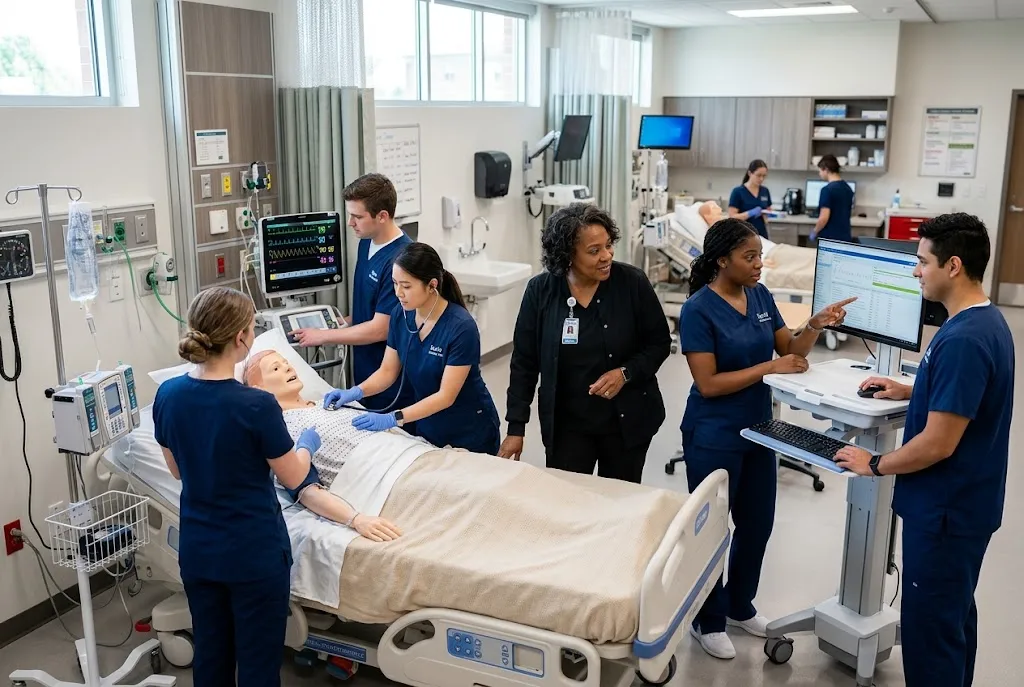
Similarly, in the realm of healthcare, medical professionals undergo rigorous academic training to acquire knowledge about human anatomy, diseases, and treatment protocols. However, it is through clinical rotations, patient interactions, and hands-on procedures that they develop the competence to diagnose and treat effectively. Practical experience bridges the gap between theoretical learning and clinical application, ensuring that healthcare providers can deliver quality care.
The integration of technical knowledge with hands-on experience is not confined to specific industries. It is a universal principle applicable across various fields, including engineering, finance, education, and the arts. Professionals who embrace this synergy are better equipped to navigate complexities, adapt to changes, and contribute meaningfully to their organizations and communities.
In conclusion, the fusion of technical knowledge with practical experience is paramount for career success. It empowers individuals to apply their expertise effectively, solve problems innovatively, and achieve tangible outcomes. As the job market becomes increasingly competitive, professionals who cultivate this combination will distinguish themselves as valuable assets capable of driving progress and excellence.
Strategies to Integrate Technical Learning with Real-World Application
Integrating technical learning with real-world application requires intentional effort and strategic planning. Here are several approaches to effectively merge these two components:
1. Pursue Internships and Apprenticeships: Engaging in internships or apprenticeships provides firsthand exposure to industry practices, allowing individuals to apply their technical knowledge in professional settings. These experiences offer valuable insights into workplace dynamics, enhance skill development, and foster professional networking.
2. Participate in Collaborative Projects: Collaborating on projects with peers or industry professionals facilitates knowledge exchange and practical application. Working in teams enables individuals to tackle complex problems, share diverse perspectives, and develop solutions that reflect real-world challenges.
3. Engage in Continuous Learning: Staying abreast of industry trends, emerging technologies, and best practices is crucial for maintaining relevance in today’s fast-paced environment. Engaging in continuous learning through workshops, online courses, and professional development programs ensures that individuals can adapt to changes and apply new knowledge effectively.
4. Seek Mentorship and Guidance: Establishing relationships with mentors who have extensive experience in the field provides valuable insights and advice. Mentors can offer guidance on career development, share experiences, and provide feedback on performance, aiding in the integration of technical knowledge with practical application.
5. Reflect on Experiences: Regularly reflecting on experiences allows individuals to assess their strengths, identify areas for improvement, and refine their approaches. Reflective practices promote self-awareness and facilitate the continuous integration of learning with practice.
Implementing these strategies fosters a holistic approach to professional development, ensuring that technical knowledge is effectively applied in real-world contexts. This integration enhances competence, boosts confidence, and positions individuals for success in their careers.
Overcoming Challenges in Bridging the Gap
While the integration of technical knowledge with hands-on experience is essential, it is not without its challenges. Professionals may encounter obstacles such as limited opportunities, lack of resources, or resistance to change. Overcoming these challenges requires resilience, creativity, and proactive problem-solving.
1. Limited Opportunities: In some industries or regions, opportunities for practical experience may be scarce. To overcome this, individuals can seek alternative avenues such as virtual internships, freelance projects, or volunteer work. These experiences can provide valuable exposure and contribute to skill development.
2. Lack of Resources: Access to resources such as advanced tools, technologies, or training programs may be limited. Professionals can leverage online platforms, open-source tools, and community resources to enhance their learning and gain practical experience.
3. Resistance to Change: Some organizations or individuals may be resistant to adopting new approaches or integrating technical knowledge with hands-on experience. Advocating for the benefits of this integration, demonstrating successful case studies, and fostering a culture of continuous improvement can help mitigate resistance and encourage adoption.
By proactively addressing these challenges, professionals can successfully bridge the gap between technical knowledge and practical application, enhancing their effectiveness and advancing their careers.
Real-World Examples of Successful Integration
Numerous professionals have successfully integrated technical knowledge with hands-on experience, achieving remarkable success in their careers. These real-world examples illustrate the tangible benefits of this integration:
1. Elon Musk: As the CEO of Tesla and SpaceX, Musk’s background in physics and engineering has been instrumental in driving innovation. His ability to apply technical knowledge to real-world challenges has led to groundbreaking advancements in electric vehicles and space exploration.
2. Marie Curie: A pioneering physicist and chemist, Curie’s research on radioactivity was grounded in her deep technical understanding. Her hands-on experiments and discoveries led to significant contributions to science and medicine, earning her two Nobel Prizes.
3. Steve Jobs: Co-founder of Apple Inc., Jobs combined his technical knowledge of electronics with a keen sense of design and user experience. This integration resulted in the development of iconic products like the iPhone and iPad, revolutionizing the tech industry.
These examples underscore the importance of merging technical expertise with practical experience. Professionals who can effectively integrate these components are better equipped to innovate, lead, and achieve success in their respective fields.
Conclusion: The Path Forward
The convergence of technical knowledge and hands-on experience is not merely a career advantage – it is a necessity in today’s competitive job market. Professionals who embrace this integration position themselves for success, demonstrating their ability to apply expertise, solve problems, and drive innovation. The journey toward this integration requires intentional effort, continuous learning, and a proactive approach to overcoming challenges.
As you navigate your career path, consider how you can bridge the gap between what you know and how you apply it. Seek opportunities for practical experience, engage in continuous learning, and reflect on your experiences to refine your approach. By doing so, you will enhance your competence, boost your confidence, and set yourself on a trajectory toward career success.