
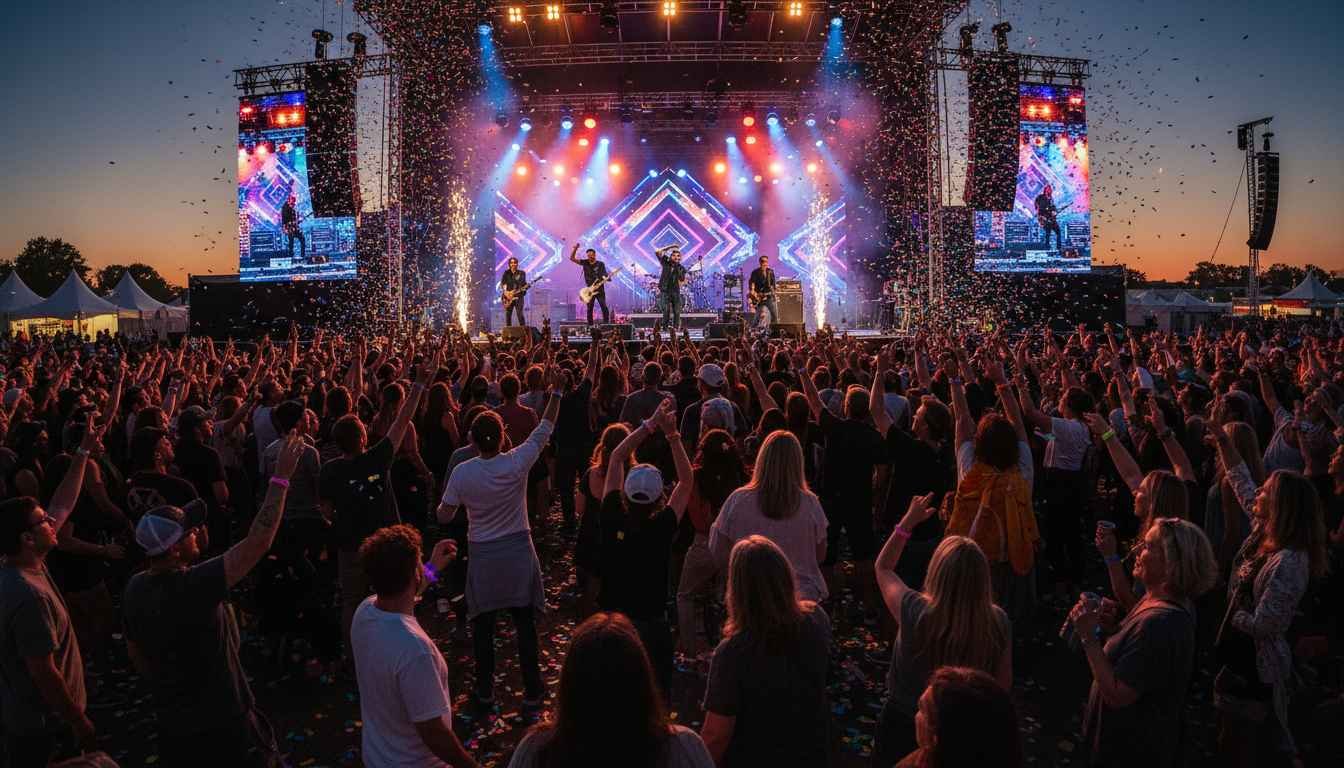
Have you ever felt like attending a live concert or entertainment event is more complicated than it should be? From ticket purchasing to venue logistics, the American concert and entertainment services industry is a complex ecosystem shaped by multiple factors. Understanding the roots of its challenges and the avenues for improvement can empower consumers to make smarter choices while highlighting opportunities for service providers.
At its core, the American concert and entertainment services sector is driven by demand for live experiences, yet it faces persistent issues that affect customer satisfaction. Long ticket queues, inflated resale prices, and inconsistent service standards have created frustration among concertgoers. While technology has simplified some processes, it has also introduced new hurdles, such as digital fraud, scalping, and system crashes during high-demand sales. These operational inefficiencies often overshadow the joy of live events.
One major factor behind these challenges is the fragmented nature of the industry. Multiple stakeholders – including artists, promoters, venues, ticketing platforms, and security providers – must coordinate seamlessly for a successful event. Miscommunication or misaligned incentives among these players can lead to delays, higher costs, and diminished audience experience. For instance, ticketing platforms may prioritize automated sales over customer service, while venues might focus on capacity maximization rather than comfort, impacting overall satisfaction.
Another contributing factor is pricing transparency. Consumers often face hidden fees, dynamic pricing adjustments, and unclear refund policies. These complications can deter attendance, particularly among younger audiences with limited disposable income. According to a 2023 industry report, over 65% of ticket buyers expressed frustration with unexpected fees, underscoring the need for more consumer-friendly practices in the sector.
Technology adoption has been a double-edged sword. Mobile ticketing, virtual waitlists, and integrated payment options have streamlined parts of the process, yet they also introduce digital divides. Not all audiences are comfortable navigating apps or understanding QR-based entry systems. Older demographics, for example, may find these innovations inconvenient, while tech-savvy consumers demand faster, glitch-free transactions. Service providers must strike a balance between innovation and accessibility to meet diverse audience needs.
Security and safety remain paramount in American concert services. Large gatherings are susceptible to accidents, crowd management issues, and health concerns. Over the past decade, major events have prompted stricter regulations for venue safety, crowd control, and emergency preparedness. While these measures improve safety, they can inadvertently increase operational complexity and cost, which sometimes trickles down to ticket prices.
The role of customer service cannot be overstated. A responsive and empathetic support team can mitigate dissatisfaction caused by inevitable hiccups, such as ticketing errors or event cancellations. Yet, many providers prioritize automated systems over human interaction, leading to frustration and diminished loyalty. Establishing clear communication channels, transparent policies, and trained staff is essential for maintaining trust in the industry.
For those exploring alternative solutions, virtual concerts and hybrid events offer flexibility for different budgets and preferences. Digital experiences allow fans to engage with artists remotely while enjoying professional production quality, often at a fraction of the cost of attending in person. These options are particularly valuable for audiences with geographic limitations, mobility challenges, or tight schedules. They also offer service providers a scalable model to diversify revenue streams without compromising the quality of the experience.
In addition, smaller local venues and community-driven events provide an alternative to large-scale productions. While the atmosphere may be less grand, the intimacy and affordability often lead to high satisfaction levels. These settings allow for closer artist-fan interactions and can nurture local music and entertainment cultures, providing a more personal and memorable experience.
Data-driven insights are increasingly shaping how American concert and entertainment services operate. Analytics on ticket sales, audience demographics, and engagement patterns enable providers to make informed decisions on pricing, scheduling, and marketing. This approach enhances efficiency and can reduce frustration among attendees, provided that ethical data collection and privacy considerations are observed.
Despite the advances and alternative options, it’s important to recognize potential drawbacks. High-profile events may still be cost-prohibitive for many consumers, and the reliance on technology can exclude certain audiences. Event cancellations due to unforeseen circumstances, such as weather or health crises, can disrupt plans and erode trust. Furthermore, smaller venues might struggle with funding or regulatory compliance, limiting their ability to deliver consistently high-quality experiences.
Who should avoid this sector? Individuals with strict budget constraints or those seeking fully predictable event experiences may encounter challenges. Similarly, audiences averse to digital transactions or crowds should consider virtual or small-scale events to avoid stress. Recognizing these limitations helps consumers make informed choices while encouraging providers to innovate responsibly.
In conclusion, the American concert and entertainment services industry is a complex yet evolving landscape. By understanding the root causes of operational challenges, embracing technological advancements thoughtfully, and exploring alternative formats, both consumers and providers can enhance their experiences. With cautious optimism and careful planning, live entertainment can continue to thrive while remaining accessible, engaging, and enjoyable for all.
For ongoing updates and insights into entertainment services and events across the United States, resources like The Hutchinson News provide reliable coverage and analysis to keep consumers informed and empowered.
Cheat Sheet
Fragmentation among industry stakeholders can create inefficiencies. Pricing transparency issues affect audience satisfaction. Technology adoption enhances convenience but can exclude certain demographics. Safety regulations improve security but increase operational complexity. Virtual and small-scale events offer alternatives for different budgets. Data-driven decision-making optimizes experiences, while potential drawbacks include cost barriers and unpredictability.