
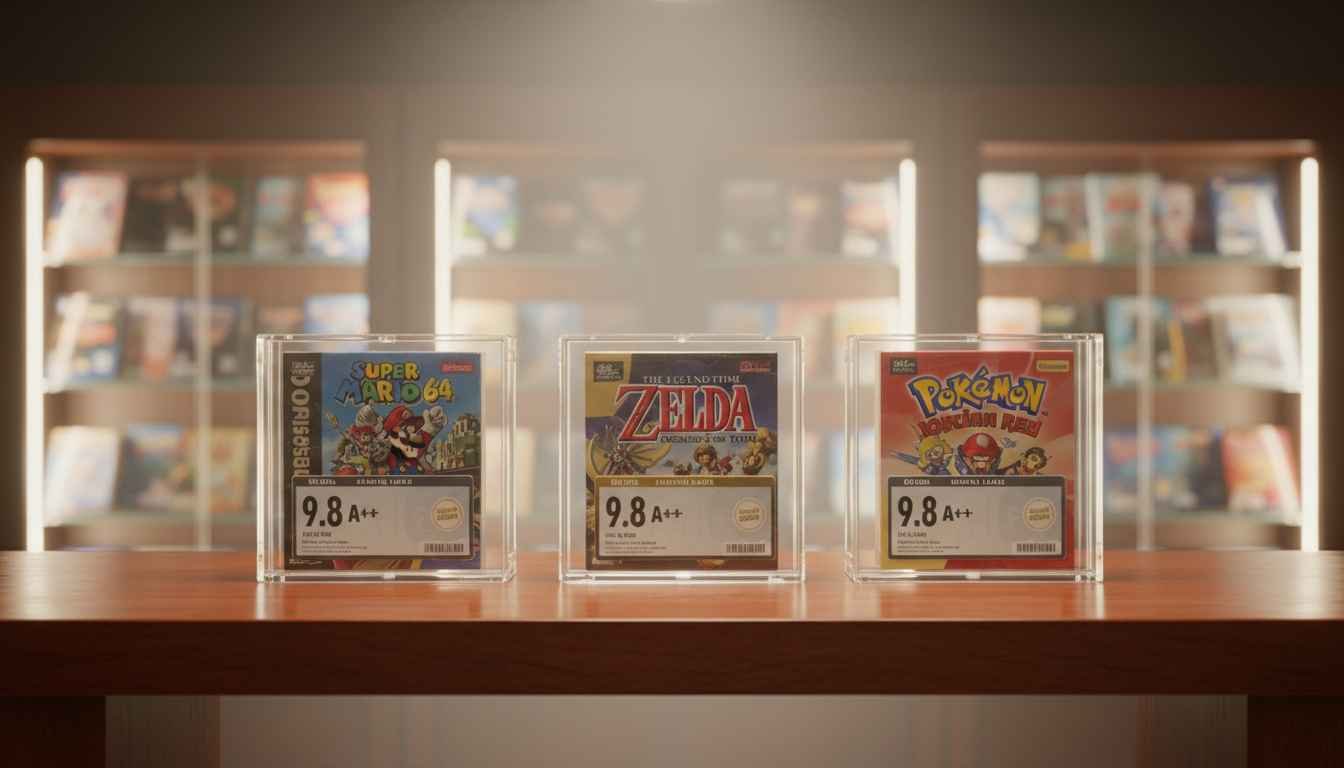
$3,500. That is the price some collectors are willing to pay for a single graded video game cartridge. To the casual gamer, it might seem like an extravagant sum, but within the world of graded video games, that figure represents history, rarity, and preservation. Each game tells a story not only through its digital content but through its physical packaging and condition, encapsulating a piece of gaming history.
Graded video games are not merely items to play; they are artifacts. Companies like Wata Games and VGA assign numerical grades to games, ranging from 1 to 10, based on criteria such as the condition of the box, cartridge, and manual. A pristine copy of a classic title like Super Mario Bros or The Legend of Zelda can command hundreds or even thousands of dollars when graded at a high level. This grading system has created a thriving marketplace for collectors and enthusiasts alike.
Ingredients/Materials Needed for Collecting Graded Video Games
1. Graded Games – 1 or more copies of your chosen title, preferably with high grades for investment potential.
2. Protective Storage – Acid-free sleeves, cases, and boxes to maintain condition.
3. Authentication Certificates – Documentation from grading companies verifying authenticity and grade.
4. Display or Storage Shelves – To showcase and protect your collection.
5. Market Knowledge – Awareness of current values, rarity, and trends in retro gaming.
History of Graded Video Games
The concept of grading collectibles is not new. Coin and comic book collectors have long relied on third-party grading for authentication and valuation. Video games, however, entered this world much later. In the early 2000s, the retro gaming market began expanding rapidly as nostalgia for 8-bit and 16-bit eras surged. Initially, collectors assessed condition informally, but inconsistency led to disputes over value.
Recognizing this need, companies like Wata Games pioneered professional grading standards in the mid-2010s. They developed a rigorous process evaluating packaging, cartridge quality, and manuals, assigning a numerical grade. This process brought legitimacy to the market, enabling investors and collectors to confidently buy, sell, and trade high-value games. Sites and platforms dedicated to these collectibles began forming, linking gamers and collectors worldwide.
The surge in interest has led to staggering auction results. Some titles, such as a sealed copy of Super Mario 64 graded 9.8, have sold for over $1.5 million. While these figures may seem extreme, they reflect the confluence of nostalgia, rarity, and pristine preservation that only graded games can guarantee. For those who are curious about exploring the broader universe of gaming, the official Gears of War website offers a glimpse into how modern gaming titles are curated and celebrated.
Why Collectors Pay Premiums for Graded Games
The allure of graded video games lies in their combination of nostalgia, rarity, and investment potential. A high-grade game is essentially a time capsule; it transports players back to the era of its release while preserving the game in near-original condition. For many, collecting is also about prestige. Owning a 10/10 graded copy of a beloved title signals dedication and deep knowledge of gaming history.
Additionally, the grading system reduces the uncertainty involved in buying retro games. Prior to professional grading, buyers relied on trust, which sometimes led to disputes over condition or authenticity. Today, a sealed and graded game comes with documentation that confirms its grade and authenticity, giving buyers confidence and protecting their investment.
Potential Drawbacks or Who Should Avoid This
Despite the appeal, graded video games are not for everyone. Casual gamers looking for playable titles may find the prices prohibitive. Spending thousands on a sealed cartridge may not be justifiable if the primary goal is simply to enjoy the game. Additionally, the market is volatile; while some games appreciate over time, others may not hold their value, especially if they are less rare or if the grading trend shifts.
Another consideration is that the investment aspect requires research and vigilance. Missteps in identifying rare titles, understanding grading nuances, or timing the market can lead to financial losses. Those who are uncomfortable with fluctuating collectibles markets might prefer buying ungraded games for play rather than investment.
Grading Processes and Market Insights
The grading process itself is meticulous. Upon submission, a game is first inspected for authenticity. The packaging is examined for wear, fading, or creases, while cartridges are checked for scratches, discoloration, or modifications. Manuals are reviewed for completeness and condition. The game is then encapsulated in a protective case with a clearly labeled grade.
Market insights show that certain titles consistently perform well. Games from iconic franchises such as Super Mario, The Legend of Zelda, and Pokémon command top dollar. Limited releases, regional exclusives, and games with sealed packaging are particularly prized. Collectors often track auction sites, online forums, and grading company reports to spot trends and anticipate future value.
Maintaining and Displaying Your Collection
Once acquired, proper care is essential to maintain a game’s value. Avoid exposure to direct sunlight, excessive humidity, or fluctuating temperatures. Display cases with UV protection can help preserve color and prevent fading. Many collectors use acid-free sleeves and storage boxes to avoid chemical reactions that could degrade the packaging. Organization is equally important; cataloging each title with its grade and purchase details ensures clarity and assists in valuation over time.
For enthusiasts who enjoy the thrill of both collecting and gaming, a hybrid approach is possible. Some choose to play digital re-releases or emulations while keeping original graded copies untouched. This allows the enjoyment of gameplay without jeopardizing the pristine condition of high-value collectibles.
The Future of Graded Video Games
The grading market is still evolving. As more players and collectors recognize the value of retro games, the demand for graded items continues to grow. Innovations such as digital provenance tracking, blockchain authentication, and enhanced market platforms may further stabilize and legitimize the industry. Collectors can expect a future where transparency, security, and valuation accuracy continue to improve, making this niche both an exciting hobby and a potential investment avenue.
Graded video games are more than nostalgic artifacts – they are historical snapshots of gaming culture, meticulously preserved for future generations. Whether approached as a serious investment or an adventurous collecting journey, the pursuit of high-grade titles offers both excitement and insight into the rich evolution of the gaming industry.