
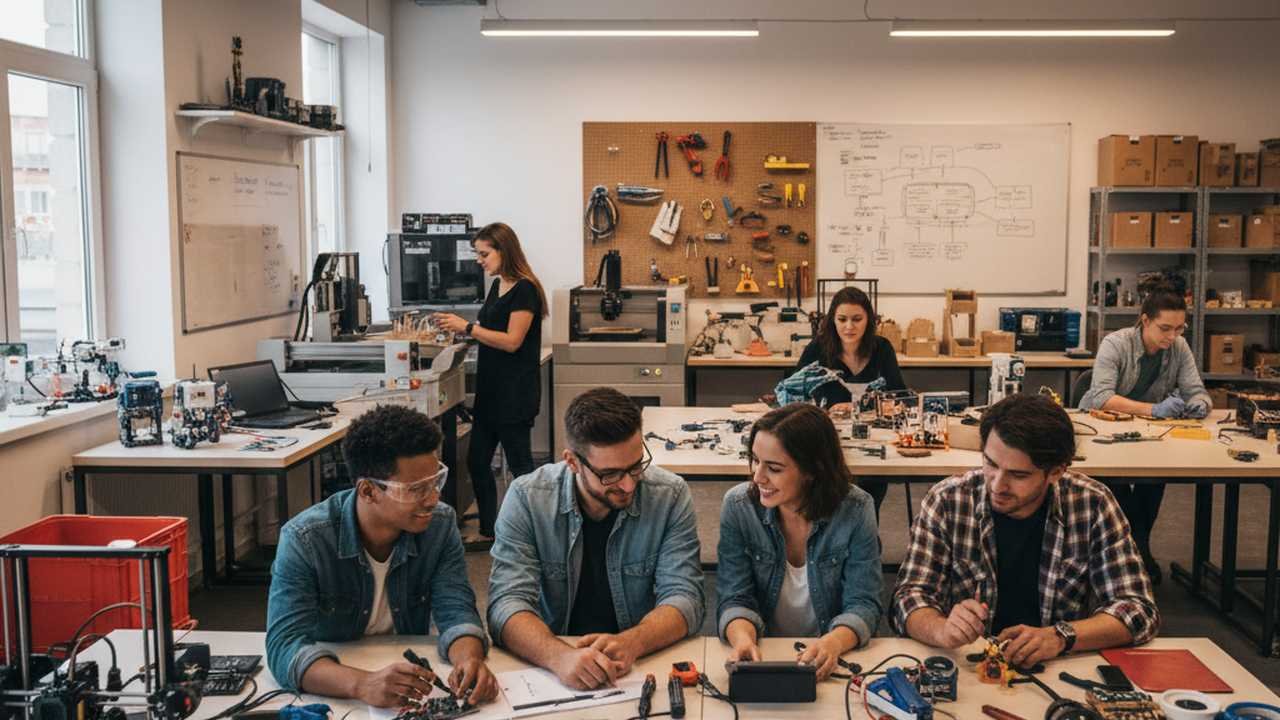
Imagine a room buzzing with the hum of 3D printers, the rhythmic tapping of keyboards, and the sharp scent of freshly cut wood. This is not just a classroom – it’s a makerspace, a vibrant hub where imagination meets innovation. In today’s rapidly evolving world, the importance of education cannot be overstated. Makerspaces are at the forefront of this educational revolution, offering students hands-on experiences that ignite creativity, enhance problem-solving abilities, and foster innovation skills. But here’s the catch: not every school has embraced this transformative approach. Are you ready to discover why makerspaces are the future of education and how they can unlock your child’s potential?
The Essence of Makerspaces
At their core, makerspaces are collaborative workspaces equipped with tools and materials that encourage students to create, experiment, and learn through hands-on projects. These spaces are more than just classrooms; they are incubators for innovation. Students engage in activities ranging from coding and robotics to woodworking and digital fabrication, allowing them to bring their ideas to life. The freedom to explore and the encouragement to fail forward are what make makerspaces unique. In these environments, failure is not a setback but a stepping stone toward success, fostering a growth mindset that is essential in today’s world.
Igniting Creativity Through Hands-On Learning
Creativity is the lifeblood of innovation, and makerspaces are its nurturing ground. By providing students with the tools and freedom to create, these spaces allow for the organic development of original ideas. Whether it’s designing a 3D model, building a robot, or crafting a piece of art, the process of creation stimulates the brain in ways traditional learning methods cannot. The tactile experience of working with materials, combined with the challenge of problem-solving, enhances cognitive functions and encourages students to think outside the box. This hands-on approach not only makes learning more engaging but also more effective, as students are more likely to retain information when they actively participate in the learning process.
Fostering Problem-Solving Skills
In the real world, problems are complex and multifaceted. Makerspaces mirror this reality by presenting students with challenges that require critical thinking and problem-solving skills. As students work on projects, they encounter obstacles that demand creative solutions. This iterative process of trial and error teaches resilience and adaptability – skills that are invaluable in any field. Moreover, the collaborative nature of makerspaces allows students to work together, sharing ideas and strategies, which further enhances their problem-solving abilities. By simulating real-world challenges, makerspaces prepare students to tackle the complexities of the modern world with confidence and ingenuity.
Encouraging Innovation and Entrepreneurial Thinking
Innovation is not just about inventing new products; it’s about thinking differently and approaching problems from new angles. Makerspaces cultivate this mindset by encouraging students to experiment and take risks. In these spaces, students are not confined to a set curriculum but are free to explore their interests and passions. This autonomy fosters entrepreneurial thinking, as students learn to identify opportunities, develop solutions, and bring their ideas to fruition. The skills gained in makerspaces – such as creativity, critical thinking, and collaboration – are the same skills that drive innovation in the business world. By nurturing these abilities, makerspaces equip students with the tools they need to become the innovators and entrepreneurs of tomorrow.
Building Collaboration and Communication Skills
In today’s interconnected world, the ability to collaborate and communicate effectively is crucial. Makerspaces provide an environment where students can develop these skills through group projects and teamwork. Working alongside peers from diverse backgrounds and disciplines, students learn to share ideas, listen to others, and work towards a common goal. This collaborative experience not only enhances their social skills but also prepares them for the collaborative nature of the modern workforce. Moreover, the interdisciplinary approach of makerspaces exposes students to various fields, broadening their perspectives and fostering a spirit of cooperation and mutual respect.
Enhancing Digital Literacy and Technical Skills
As technology continues to advance, digital literacy has become an essential skill. Makerspaces offer students the opportunity to engage with cutting-edge technologies, such as 3D printing, coding, and robotics, providing them with practical experience that enhances their technical skills. This exposure not only makes students more comfortable with technology but also prepares them for careers in STEM fields. The hands-on experience gained in makerspaces allows students to apply theoretical knowledge in a practical setting, bridging the gap between classroom learning and real-world applications. By fostering digital literacy, makerspaces ensure that students are well-equipped to navigate the technological landscape of the future.
Promoting Equity and Inclusivity in Education
One of the most powerful aspects of makerspaces is their ability to promote equity and inclusivity in education. By providing access to resources and opportunities that might otherwise be unavailable, makerspaces level the playing field for all students. Regardless of their background or socioeconomic status, students have the chance to explore their interests, develop new skills, and pursue their passions. This inclusivity fosters a sense of belonging and empowers students to take ownership of their learning. Moreover, makerspaces encourage diversity by bringing together individuals from different disciplines and perspectives, enriching the learning experience for everyone involved.
Real-World Success Stories
The impact of makerspaces is not just theoretical; there are numerous real-world examples of their success. Schools that have implemented makerspaces report increased student engagement, improved academic performance, and a greater interest in STEM subjects. For instance, a study conducted by the National Education Association found that students who participated in makerspace activities showed significant improvements in problem-solving skills and creativity. Additionally, many successful startups and innovations have emerged from makerspace environments, demonstrating the potential of these spaces to foster entrepreneurship and technological advancement. These success stories highlight the transformative power of makerspaces in education.
The Future of Education: Why Makerspaces Matter Now More Than Ever
As the world continues to change at an unprecedented pace, the traditional education system must evolve to meet new challenges. Makerspaces represent a forward-thinking approach to learning that emphasizes creativity, problem-solving, and innovation. By integrating these spaces into educational settings, we can prepare students for the complexities of the modern world and equip them with the skills they need to succeed. The importance of education in fostering these abilities cannot be overstated. Makerspaces are not just a trend; they are the future of education, and the time to embrace them is now. Don’t let your child miss out on the opportunities that makerspaces offer – ensure they have access to these transformative learning environments today.