
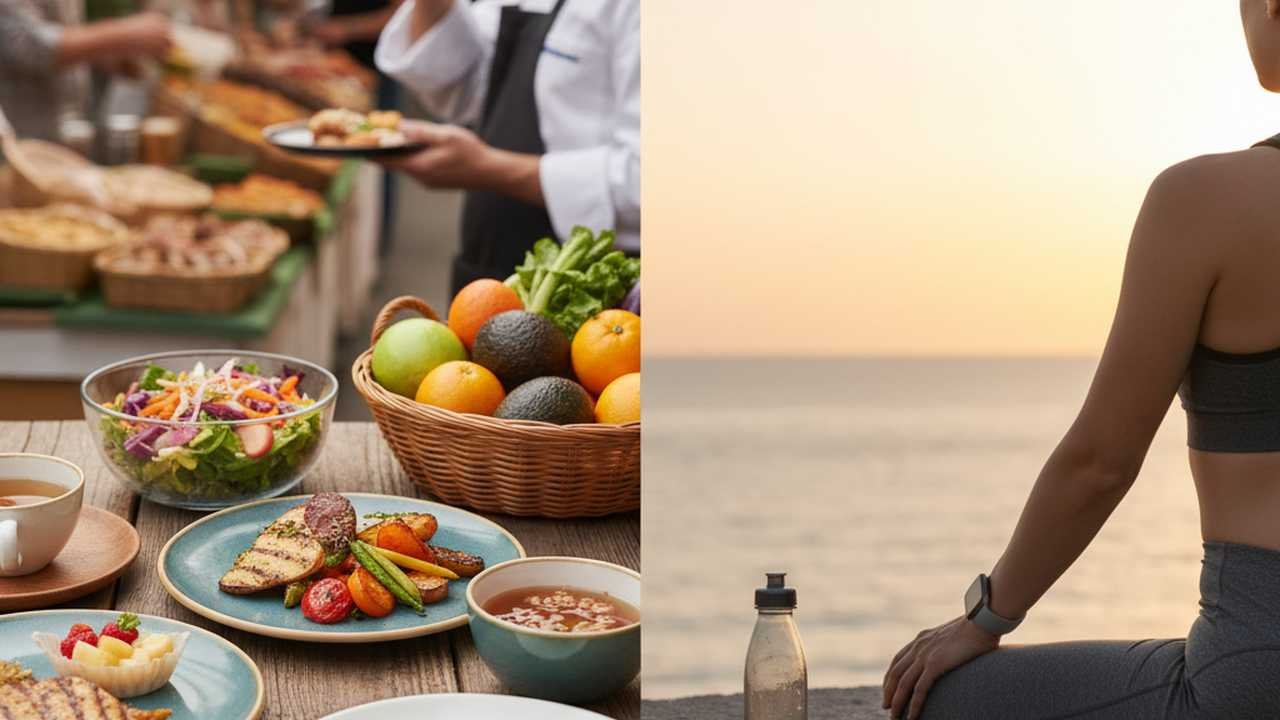
Imagine savoring the rich, smoky aroma of grilled meats in a bustling Moroccan souk, the vibrant colors of fresh herbs and spices swirling in the air, and the warmth of sun-kissed streets leading you to hidden culinary gems. Culinary tourism offers an immersive journey into the heart of a destination’s culture through its food. However, indulging in these experiences doesn’t mean abandoning your personal wellness goals. In fact, with mindful planning and intentional choices, you can nourish both your body and soul while exploring the world’s flavors.
Understanding the Intersection of Culinary Tourism and Wellness
Culinary tourism is more than just eating; it’s about experiencing a destination through its food. It’s the joy of tasting a dish that tells a story, the excitement of discovering new ingredients, and the connection to a culture through its culinary traditions. Wellness, on the other hand, encompasses physical, mental, and emotional well-being. When these two elements converge, they create a holistic travel experience that nourishes the body, stimulates the mind, and uplifts the spirit.
In recent years, the rise of wellness tourism has paralleled the growth of culinary tourism. Travelers are increasingly seeking destinations that offer both gastronomic delights and opportunities for relaxation and rejuvenation. This trend reflects a broader shift towards health-conscious travel, where the focus is on holistic well-being rather than indulgence alone. By embracing this approach, you can enjoy the pleasures of culinary exploration without compromising your wellness objectives.
Planning Your Culinary Wellness Journey
Embarking on a culinary wellness journey requires thoughtful planning. Start by researching destinations known for their rich culinary heritage and wellness offerings. Consider regions that emphasize farm-to-table dining, organic ingredients, and traditional cooking methods. Countries like Japan, Italy, and Thailand are renowned for their integration of food and wellness, offering experiences that highlight the healing properties of food.
Look for accommodations that support your wellness goals. Many boutique hotels and resorts now offer culinary programs that focus on healthy, locally sourced meals. These establishments often provide cooking classes, nutrition workshops, and access to organic gardens, allowing you to engage with food in a meaningful and health-conscious way.
Choosing Nutrient-Dense, Locally Sourced Foods
One of the most effective ways to maintain your wellness goals while indulging in culinary tourism is by choosing nutrient-dense, locally sourced foods. These foods are not only fresher and more flavorful but also support sustainable agriculture and local economies. Opt for meals that incorporate a variety of vegetables, whole grains, lean proteins, and healthy fats.
Incorporating local superfoods into your diet can also enhance your nutritional intake. For instance, in Peru, you might enjoy dishes featuring quinoa and maca root, both known for their health benefits. In Greece, olive oil and fresh herbs like oregano and thyme are staples that contribute to the renowned Mediterranean diet.
Engaging in Mindful Eating Practices
Mindful eating is a practice that involves paying full attention to the experience of eating and drinking. This means savoring each bite, appreciating the flavors and textures, and listening to your body’s hunger and fullness cues. Engaging in mindful eating can help prevent overeating and promote a healthier relationship with food.
While traveling, take the time to sit down and enjoy your meals without distractions. Avoid eating on the go or in front of screens. Instead, focus on the sensory experience of eating – the colors, smells, and tastes. This practice not only enhances your dining experience but also supports your overall wellness by fostering a deeper connection to the food you consume.
Incorporating Physical Activity into Your Travel Routine
Maintaining physical activity while traveling is crucial for supporting your wellness goals. Many destinations offer opportunities for active exploration, such as hiking, cycling, or walking tours. These activities allow you to experience a place’s culture and landscape while keeping your body engaged.
Incorporate movement into your daily routine by choosing accommodations with fitness facilities or nearby parks. Start your day with a morning yoga session or a brisk walk to explore the local area. Many cities also offer group fitness classes or wellness retreats that combine physical activity with relaxation techniques like meditation and deep breathing.
Balancing Indulgence with Moderation
While it’s tempting to indulge in every culinary delight a destination has to offer, balance is key. Allow yourself to enjoy new foods and flavors, but do so in moderation. Share dishes with fellow travelers to sample a variety without overconsumption. Practice portion control and listen to your body’s signals to avoid overeating.
Remember, the goal is to enhance your travel experience without compromising your health. By making mindful choices and balancing indulgence with moderation, you can savor the pleasures of culinary tourism while maintaining your wellness objectives.
Participating in Culinary Wellness Experiences
Many destinations offer culinary wellness experiences that combine cooking classes, nutrition workshops, and wellness activities. These programs provide an opportunity to learn about local cuisine, discover healthy cooking techniques, and engage in practices that support overall well-being.
For example, in Bali, you might participate in a cooking class that focuses on plant-based dishes using locally sourced ingredients. In Tuscany, a wellness retreat might offer cooking workshops paired with wine tastings and yoga sessions. These experiences not only enhance your culinary knowledge but also contribute to your physical and mental well-being.
Connecting with Local Communities
Engaging with local communities can enrich your culinary tourism experience and provide insights into traditional cooking methods and wellness practices. Participate in community events, visit local markets, and interact with artisans and farmers to learn about the cultural significance of food in the region.
Building these connections fosters a deeper appreciation for the destination’s culinary heritage and promotes cultural exchange. It also supports sustainable tourism practices by encouraging responsible travel and supporting local economies.
Reflecting on Your Culinary Wellness Journey
After your journey, take time to reflect on your experiences. Consider how the foods you enjoyed and the wellness practices you engaged in have impacted your overall well-being. Reflect on the lessons learned and how you can incorporate aspects of your culinary wellness journey into your daily life.
Sharing your experiences through blogs, social media, or discussions with friends can inspire others to embark on their own culinary wellness journeys. By reflecting on and sharing your experiences, you contribute to a broader understanding of the intersection between food, travel, and wellness.