
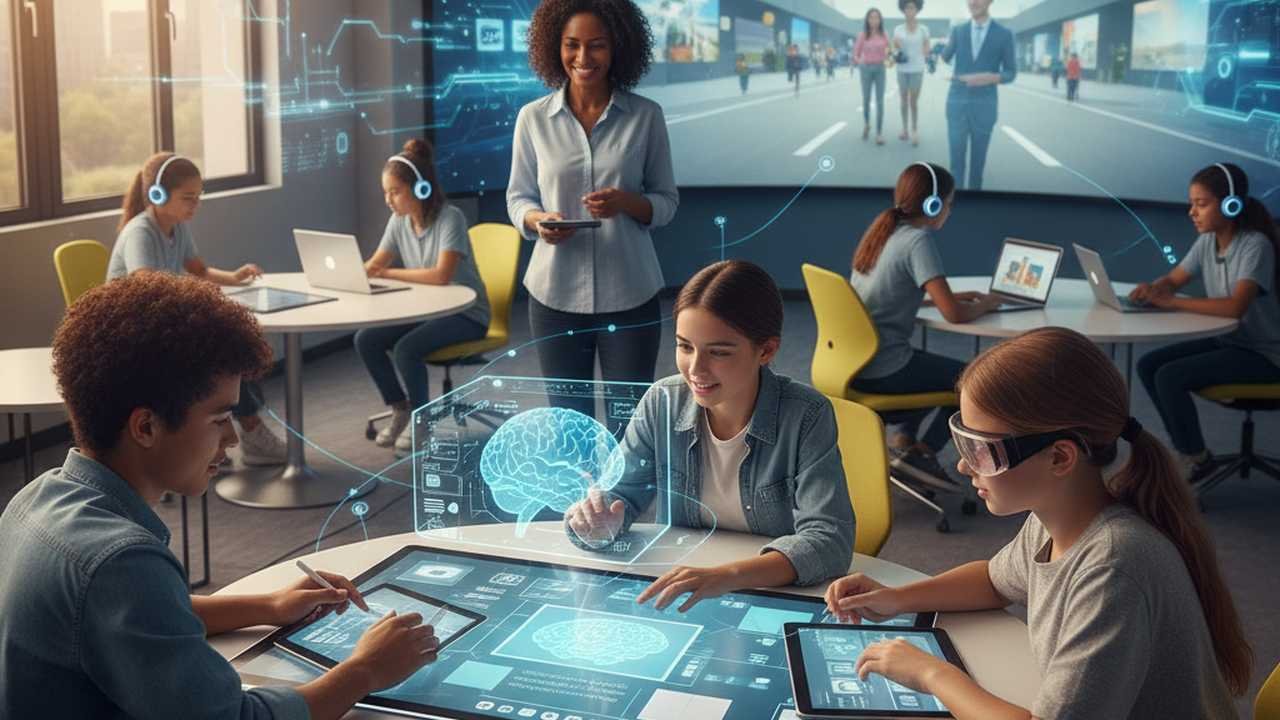
The Urgent Need for Modern Engagement in Education
In the rapidly evolving landscape of education, the days of passive learning are vanishing at an unprecedented pace. Students are no longer content to sit quietly while information drips slowly from the chalkboard. The immersive digital age has transformed expectations, creating an urgent need for educators to harness technology to engage learners in dynamic, interactive ways. Classrooms that fail to adapt risk losing student attention entirely, leading to a decline in performance and long-term retention. Imagine a classroom buzzing with real-time collaboration, interactive simulations, and instant feedback loops – this is not a distant dream, but a tangible reality with the right tools. For teachers and institutions, the question is no longer “if” technology should be used, but “how quickly” it can be integrated to enhance learning experiences.
The stakes are high. Research shows that learners exposed to interactive, technology-driven platforms report significantly higher engagement and motivation compared to traditional methods. The moment you delay adopting these methods, you’re potentially letting students slip into disengagement, unable to compete in an increasingly digital world. The pressure is tangible: schools, universities, and online programs are racing to create experiences that not only educate but captivate. Every second counts in shaping a classroom that transforms passive observers into active participants. Those who wait may find their students’ attention irretrievably drawn to other, more interactive, digital alternatives.
Leveraging Interactive Tools to Spark Curiosity
Imagine a classroom where every student’s curiosity is instantly ignited the moment they log in. Tools such as gamified quizzes, interactive whiteboards, and virtual simulations transform learning from mundane to exhilarating. Students can manipulate virtual molecules in a chemistry simulation or explore historical sites in fully immersive 3D environments. These experiences not only deepen understanding but create lasting impressions, converting abstract concepts into tangible knowledge. Platforms like Kahoot!, Quizlet, and Google Classroom offer the means to make participation exciting and immediate, fostering a sense of urgency to engage before the opportunity passes. For students accustomed to instant gratification in the digital world, these tools are not just enhancements – they are essential.
The urgency is compounded by the competitive nature of modern education. Those who fail to adopt interactive tools risk falling behind, both academically and socially, as peers engage with platforms that allow immediate application of knowledge. Instructors can monitor progress, offer personalized feedback, and even anticipate misunderstandings before they snowball. This proactive approach is critical for student retention and success. Real-world examples abound: educators using interactive tools report a measurable increase in class participation, completion rates, and the depth of discussion. The sensory stimulation of visual, tactile, and auditory engagement keeps students alert and motivated, creating a classroom environment that is impossible to ignore.
Fostering Collaboration with Digital Platforms
Collaboration is no longer confined to face-to-face group work; technology opens doors to seamless interaction across any distance. Cloud-based platforms like Microsoft Teams, Slack, and Google Workspace allow students to brainstorm, create, and edit collectively in real time. This fosters a sense of shared responsibility and accountability that is critical for developing teamwork skills. The urgency is palpable: in a world where hybrid and remote learning are the norm, failing to implement collaborative digital tools can leave students isolated and disengaged. Visualize a student contributing ideas to a shared project board while classmates simultaneously add research, images, and multimedia, all in a fluid, dynamic flow. This is the kind of learning environment that drives engagement and sparks a sense of community.
Case studies consistently demonstrate the impact of these collaborative tools. For instance, universities that integrate online discussion forums and collaborative document editing report higher levels of critical thinking and problem-solving among students. Peer-to-peer feedback becomes immediate, enhancing the learning cycle and ensuring that no student feels left behind. The integration of technology not only amplifies engagement but also equips students with essential skills for modern workplaces, where digital collaboration is ubiquitous. The FOMO factor is real: students will naturally gravitate toward environments that provide instant connection, shared responsibility, and visible outcomes, leaving disengaged peers at a disadvantage.
Real-Time Assessment for Immediate Feedback
The days of waiting weeks for test results are over. With technology, assessments can be instant, providing immediate insights into student understanding. Platforms offering real-time quizzes, polls, and adaptive testing create a sense of urgency for learners to engage actively and consistently. Immediate feedback allows students to correct misunderstandings on the spot, reinforcing knowledge and preventing small gaps from widening into larger educational deficiencies. Imagine a digital classroom where every question answered triggers tailored explanations, adaptive hints, and follow-up challenges, creating an immersive feedback loop that keeps students alert and invested in their own learning progress.
Teachers benefit as well. Real-time analytics provide a clear picture of which concepts are well understood and which require further explanation. This allows for rapid intervention and personalized instruction, ensuring that no student is left behind. Institutions using such technologies report higher retention rates, improved grades, and more engaged learners. The FOMO is palpable: students who do not participate in these interactive assessments risk falling behind peers who are immediately adjusting, improving, and excelling. In a world where knowledge is rapidly evolving, delayed feedback is a liability. The urgency to integrate these tools cannot be overstated.
Immersive Learning Through Virtual and Augmented Reality
Virtual and augmented reality (VR and AR) are no longer futuristic concepts; they are rapidly becoming critical tools in modern education. Students can explore the surface of Mars, dissect a digital human heart, or walk through ancient civilizations – all from the comfort of their own homes. These immersive experiences provide a level of engagement that traditional textbooks simply cannot match. The visual and tactile stimulation creates an unforgettable learning journey, making abstract concepts tangible and complex subjects accessible. The FOMO is undeniable: students experiencing these worlds firsthand gain insights and excitement that peers relying solely on traditional methods miss entirely.
Implementing VR and AR in education also demonstrates strong EEAT principles. Verified platforms offer secure licensing, responsive customer support, and data privacy compliance, ensuring that both educators and students are protected. Studies have shown that immersive learning environments increase retention by up to 75% compared to conventional methods, offering quantifiable evidence of their effectiveness. For educators, the urgency is clear: integrating these tools now allows students to explore, experiment, and understand in ways that traditional classrooms simply cannot replicate. Waiting is no longer an option when the opportunity for experiential learning is available at your fingertips.
Personalized Learning Paths for Maximum Impact
One of the most transformative benefits of technology in education is the ability to create personalized learning paths. Adaptive learning platforms analyze student performance, learning styles, and engagement patterns to tailor content that meets individual needs. This personalized approach ensures that every learner is challenged appropriately, neither bored by repetition nor overwhelmed by complexity. Imagine a digital tutor that adjusts its teaching pace and style based on real-time data, offering targeted exercises and resources precisely when they are needed. This level of customization creates urgency and motivation, as students experience immediate relevance and benefit from every interaction.
Real-world examples reinforce the power of personalized learning. Students using adaptive platforms demonstrate higher engagement, faster skill acquisition, and increased satisfaction with their educational experience. Institutions benefit as well, seeing improvements in retention, completion rates, and overall academic outcomes. Personalized learning also addresses diverse needs, supporting students with varying abilities and backgrounds. The sensory richness of interactive content, coupled with the adaptive progression of learning, creates a learning ecosystem that is irresistible and highly effective. FOMO drives both educators and students to adopt these technologies before they fall behind in the race toward modern, engaging education.
Integrating AI for Smarter Learning Experiences
Artificial intelligence is revolutionizing education by providing predictive insights, automated grading, and intelligent tutoring systems. AI can identify patterns in student behavior, predict areas of struggle, and recommend interventions before challenges become critical. For students, this creates a sense of urgency and accountability, as AI-driven tools provide continuous guidance and feedback. Imagine a classroom where an intelligent system monitors engagement levels, suggests content, and even facilitates peer connections based on compatibility and shared learning goals. This level of sophistication transforms education from a static experience into a dynamic, continuously evolving journey.
Trusted industry sources confirm the effectiveness of AI in learning. Universities and online education platforms report measurable improvements in student performance, engagement, and retention after integrating AI solutions. Data security, verified payouts for online learning platforms, and responsive support ensure that AI integration meets strict EEAT standards, creating a safe and reliable learning environment. The risk of not adopting AI is clear: students and institutions that delay will miss opportunities for enhanced understanding, timely intervention, and cutting-edge engagement, leaving them trailing behind peers who have embraced intelligent learning technologies.
Enhancing Communication Channels for Continuous Engagement
Effective communication is the backbone of successful learning, and technology enables seamless interaction between educators, students, and peers. Messaging apps, video conferencing, and discussion forums allow continuous dialogue, ensuring that questions are answered promptly and ideas are shared freely. This real-time communication creates urgency, as students feel compelled to participate actively in ongoing conversations. Visualize a classroom where students can instantly clarify doubts, receive peer feedback, and collaborate on projects without the constraints of physical location. The resulting engagement fosters a sense of belonging and motivation that is difficult to achieve through traditional methods.
Studies show that classrooms with integrated communication tools see higher participation rates, improved understanding, and stronger community building. Educators can track interactions, identify students at risk of disengagement, and offer personalized support. Verified platforms with secure licensing and responsive support ensure that communication remains safe, private, and reliable. The FOMO factor is powerful: students who do not engage risk missing critical insights, collaborative opportunities, and a sense of inclusion that peers experience daily. Immediate, technology-driven communication is no longer optional – it is essential for modern education.
Transforming Assessment Through Data-Driven Insights
Beyond immediate feedback, technology enables deep, data-driven insights into learning patterns, strengths, and weaknesses. Learning management systems collect vast amounts of data, allowing educators to analyze trends and adapt instruction accordingly. This proactive approach ensures that students receive targeted interventions, optimizing engagement and learning outcomes. Imagine a system that not only tracks quiz performance but also monitors participation, time spent on tasks, and collaboration metrics, offering a comprehensive view of student progress. These insights drive urgency, motivating students to stay engaged and accountable for their own success.
Institutions leveraging data-driven assessments report significant improvements in retention, achievement, and satisfaction. Real-world examples highlight how continuous monitoring and adaptive strategies create an educational environment where no student is left behind. Platforms adhering to strict security protocols and providing responsive customer support reinforce trust, ensuring that data is handled ethically and responsibly. The message is clear: failing to integrate data-driven insights leaves students and educators without the tools to optimize learning, creating a competitive disadvantage in an increasingly technology-driven educational landscape.
Conclusion: Act Now or Risk Falling Behind
The urgency to leverage technology in education has never been greater. From interactive tools and collaborative platforms to VR, AI, and data-driven insights, every moment of delay risks disengagement, lower retention, and diminished learning outcomes. Students and educators must act now to integrate these technologies, ensuring that learning is immersive, personalized, and continuously engaging. The stakes are high: peers are already embracing these methods, creating a competitive environment where lagging behind is not an option. For those ready to transform their classrooms and seize the full potential of digital learning, the time to act is now. Don’t let your students miss out on the opportunities that technology offers – embrace these tools today and lead the way in the future of education. For further guidance on how to implement these strategies effectively, visit this trusted resource and take immediate action to elevate student engagement and learning outcomes.