
Key Takeaways
– Recycling reduces waste in landfills and conserves natural resources.
– It lowers greenhouse gas emissions and helps mitigate climate change.
– Recycled materials consume less energy than producing new products from raw materials.
– Effective recycling requires proper sorting and awareness of local programs.
– Overreliance on recycling without reducing consumption can limit its environmental benefits.
The industry doesn’t want you to know that simple habits like recycling can profoundly influence the health of our planet. When you toss a plastic bottle, aluminum can, or paper into a recycling bin, it sets off a chain reaction that conserves energy, saves resources, and reduces pollution. While it may seem small on an individual level, the collective impact of millions of people recycling every day is substantial.
Recycling helps the environment primarily by reducing the demand for raw materials. Extracting metals, harvesting timber, and processing oil for plastics are energy-intensive processes that also release greenhouse gases into the atmosphere. By reusing materials, we reduce the need for these processes, which in turn diminishes carbon emissions. According to the Environmental Protection Agency, recycling aluminum cans saves 95% of the energy required to produce the same amount from raw ore.
Beyond energy savings, recycling reduces waste in landfills. Landfills produce methane, a potent greenhouse gas, as organic materials decompose. By diverting recyclable items from these sites, communities can cut down on harmful emissions and prevent soil and water contamination. Moreover, less waste in landfills translates to more sustainable land use, preserving ecosystems and wildlife habitats.
Recycling also contributes to water conservation. Manufacturing products from raw materials often consumes vast quantities of water, whereas using recycled materials can significantly reduce this demand. For instance, producing paper from recycled pulp uses 40% less water than producing it from virgin wood. These reductions help protect freshwater resources and minimize the stress on local watersheds, which is critical in areas facing water scarcity.
For a comprehensive look at environmental impacts and climate trends, Climate Central provides detailed research on how human activity, including waste management, affects our planet’s health. Their studies emphasize that consistent recycling practices, combined with conscious consumption, form a cornerstone of effective environmental stewardship.
History of Recycling
The practice of recycling is not new. Early civilizations, including the Romans and Greeks, repurposed metals, glass, and textiles. During World War II, many countries implemented organized recycling programs to conserve resources for the war effort. It wasn’t until the 1970s that modern recycling programs became widespread in the United States, spurred by the environmental movement and growing awareness of pollution and resource depletion. Today, recycling is a critical component of sustainable living, with technological advancements improving sorting and processing efficiency.
How Recycling Works
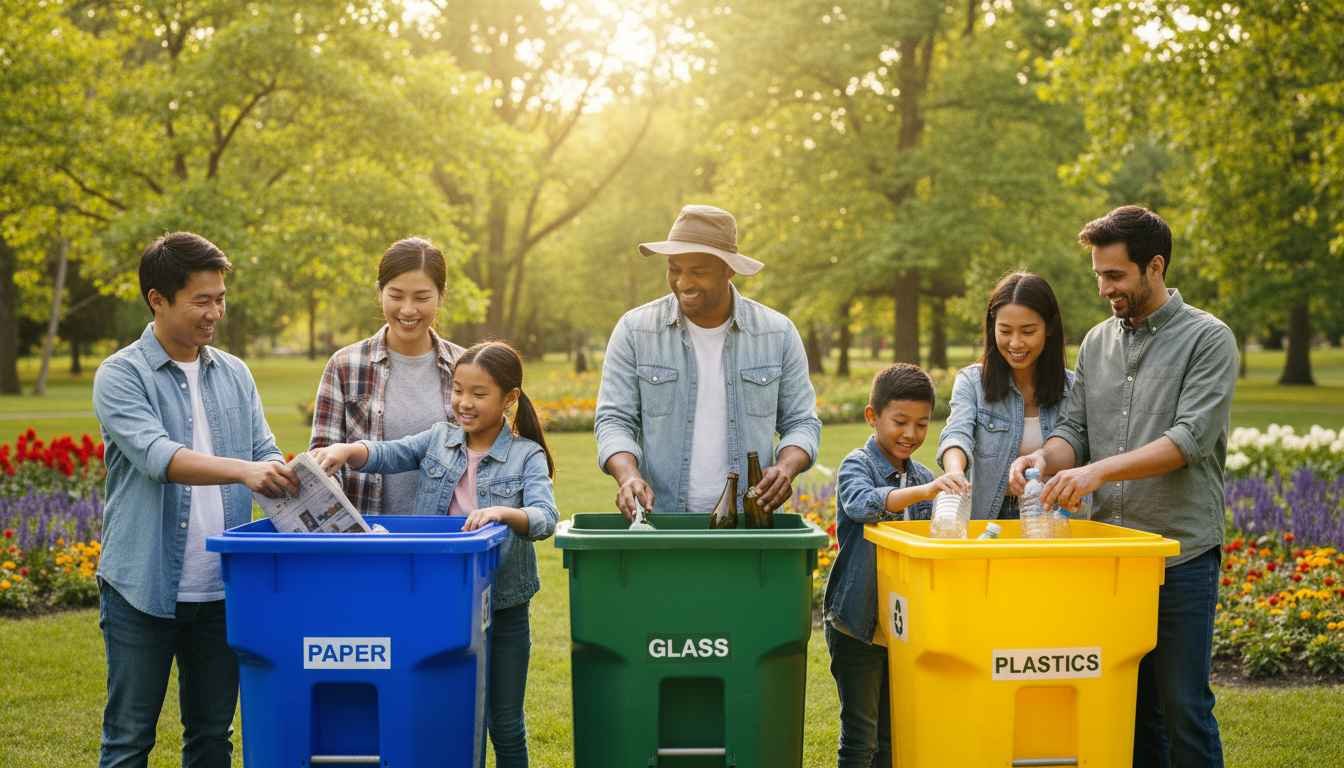
Recycling involves several key steps: collection, sorting, cleaning, and reprocessing. Collection occurs at homes, businesses, and public facilities. Sorting is essential to separate materials such as paper, plastic, glass, and metal, ensuring each stream can be effectively recycled. Once sorted and cleaned, materials are processed into raw forms suitable for manufacturing new products. Modern facilities use automated systems like magnetic separators and optical scanners to improve efficiency and reduce contamination.
Potential Drawbacks
While recycling provides substantial environmental benefits, it is not without challenges. Contamination, such as mixing non-recyclable items with recyclables, can reduce the effectiveness of recycling programs. Additionally, the energy required to collect, transport, and process recyclables can offset some environmental gains if not managed efficiently. People should also avoid viewing recycling as a replacement for reducing and reusing materials. The hierarchy of waste management emphasizes reducing consumption first, then reusing, and finally recycling.
Who Should Avoid This?
Recycling is generally safe and beneficial for all communities, but those in areas without proper facilities may face logistical challenges. Contaminated or improperly sorted recyclables can harm local programs and waste workers. Individuals should follow local guidelines closely, ensuring they only recycle items accepted by their municipal programs. In cases where recycling options are limited, prioritizing reduction and reuse strategies may provide greater environmental impact.
Conclusion
Recycling is a simple yet powerful tool for helping the environment. By reducing landfill waste, conserving natural resources, cutting energy consumption, and lowering greenhouse gas emissions, it plays a crucial role in addressing climate change and environmental degradation. Understanding the history, methods, and potential challenges of recycling empowers individuals and communities to act responsibly. When combined with conscious consumption and reuse, recycling becomes part of a larger, sustainable lifestyle that protects the planet for future generations.