
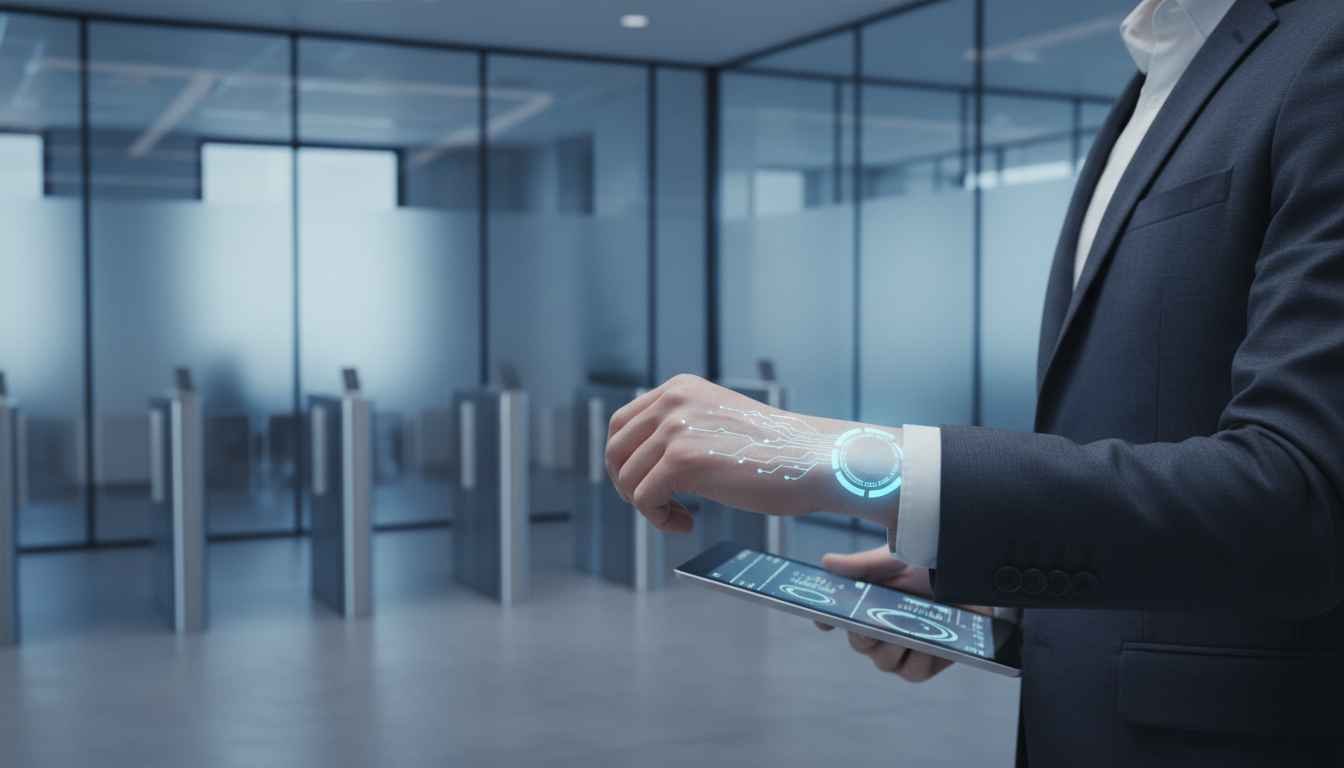
The moment Sarah inserted the tiny chip under her skin, she didn’t realize her life was about to shift in ways she couldn’t yet imagine. No more fumbling with keys, no more forgotten codes. Her office door recognized her instantly, granting access seamlessly. Yet, this innovation came with a host of questions – both about safety and privacy – that she hadn’t anticipated.
New implant technology is quickly moving from science fiction into real-world applications, particularly in security and access control. Unlike traditional keyless systems, these implants allow users to carry authentication directly under their skin, merging convenience with cutting-edge biometric verification. While the concept may seem futuristic, the technology has been tested and implemented in workplaces, fitness centers, and even residential properties, promising a new era of secure, hands-free access.
How New Implant Technology Works
At its core, the implant functions as a passive or active RFID (Radio Frequency Identification) device. The chip, usually no larger than a grain of rice, is embedded under the skin – typically between the thumb and forearm. When brought near a compatible scanner, the implant transmits a unique code, granting or restricting access. Some advanced models integrate NFC (Near Field Communication) capabilities, enabling interactions with smartphones, computers, and smart home systems.
Installation is minimally invasive, performed by trained professionals under sterile conditions. Recovery time is typically short, though proper aftercare is crucial to avoid infection. Beyond access, the chip can also store encrypted data, enabling functions such as digital signatures, personal identification, and even secure financial transactions.
Experience Case Study: Corporate Implementation
One compelling example comes from a tech company in Stockholm that adopted new implant technology for its workforce. Over 200 employees received RFID implants for secure building entry. Within six months, the company reported a 40% reduction in lost access cards and a marked improvement in workflow efficiency. Employees praised the convenience, noting that it simplified access to multiple secure areas without juggling multiple credentials. Importantly, the company also emphasized privacy safeguards, including encrypted identifiers and opt-out provisions, to ensure employee trust.
Benefits of New Implant Technology
Efficiency is the most obvious benefit. Users no longer need to carry keys, cards, or codes. Security is enhanced, as implants are difficult to duplicate or lose. Integration with existing access control systems is straightforward, and advanced encryption methods ensure that personal data remains protected. Beyond practical advantages, there is a psychological convenience: the implant is always with the user, invisible yet reliable.
Best For / Not Recommended For
Best For: Professionals working in high-security environments, tech enthusiasts seeking streamlined access, and organizations looking to modernize entry systems without increasing administrative burdens.
Not Recommended For: Individuals with medical conditions that complicate minor surgical procedures, those with privacy concerns regarding data storage, and users uncomfortable with a permanent implant device.
Potential Drawbacks and Safety Considerations
Despite its advantages, new implant technology is not without potential risks. Localized infection during implantation, migration of the chip, and allergic reactions to the biocompatible material are possible, though rare. Data security is another concern; while encrypted, the chip could theoretically be scanned without consent if a sophisticated attacker were nearby. Regulatory oversight is still evolving, meaning safety standards can vary by region. It’s essential to consult trained professionals and follow post-procedure care protocols to mitigate risks.
Integrating Implants with Smart Security Systems
For businesses and homeowners looking to adopt this technology, the most effective approach combines implant use with robust keyless access systems. Platforms that allow remote monitoring, activity logs, and instant access revocation provide layers of protection, ensuring that even if a chip is compromised, the broader system remains secure. For example, GoKeyless offers a range of keyless door locks compatible with implant technology, allowing businesses to customize access without relying solely on physical keys.
Who Should Avoid This Technology?
While appealing, new implant technology is not universal. People with pacemakers or other electronic medical devices should avoid implantation due to potential interference. Similarly, children, pregnant individuals, or those prone to keloid scarring should consult a healthcare professional before proceeding. Ethical and privacy concerns may also deter some users, as the idea of carrying a permanent access device under the skin can raise personal and societal questions.
The Future of Implant Technology
Looking ahead, integration with artificial intelligence and IoT devices promises to expand the functionality of implants far beyond door access. Biometric monitoring, medical data collection, and seamless multi-device interaction could make implants an indispensable tool for both personal and professional life. As safety protocols improve and public trust grows, this technology may become as commonplace as smartphones or wearable devices.
For organizations exploring secure access solutions today, adopting implant-compatible systems provides a forward-looking foundation. The balance between convenience and security, combined with clear safety measures, ensures that implant technology can be both practical and reliable for those ready to embrace it.