
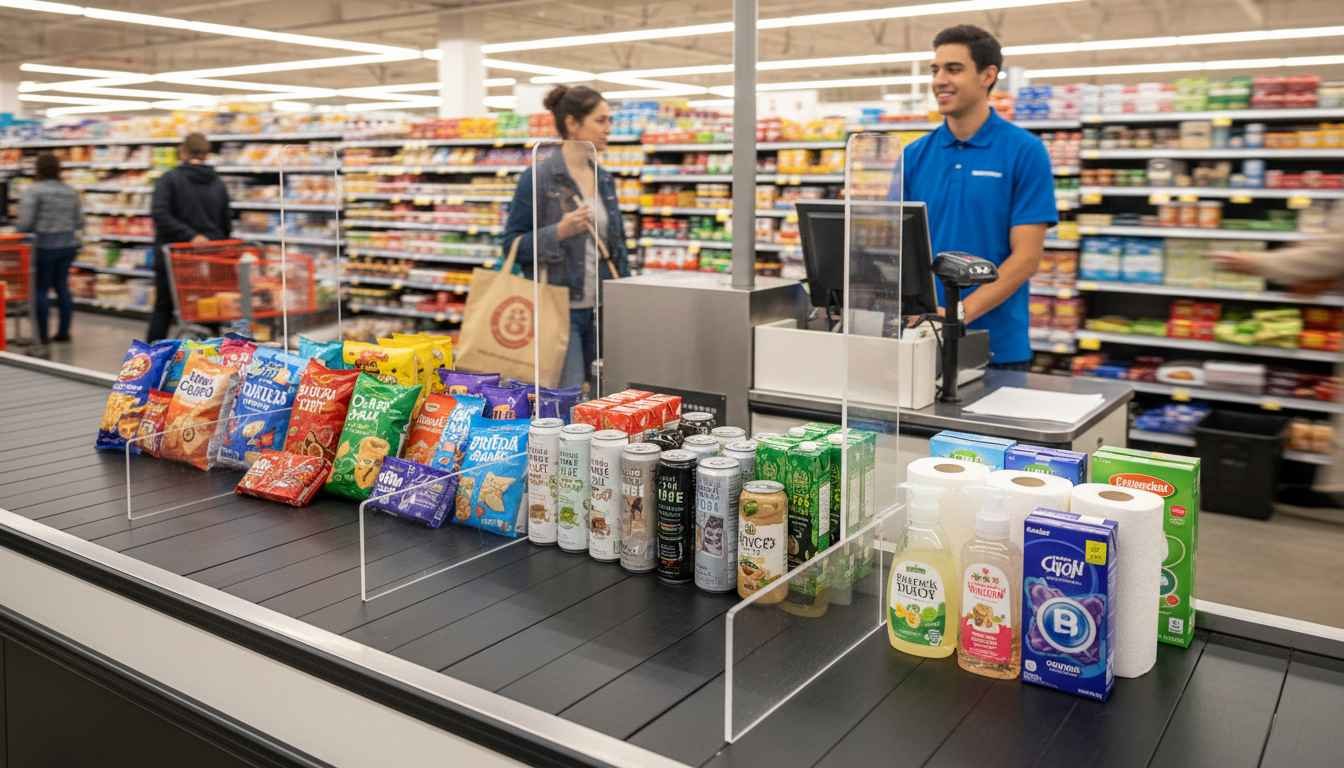
They say a belt holds up your pants, but in retail, it can also hold up your profits. Retail belt displays are more than just functional – they are strategic tools that can influence shopper behavior, maximize space, and elevate the overall shopping experience. Yet, despite their ubiquity, many stores fail to leverage them to their full potential.
Understanding the mechanics of retail belt displays requires looking beyond aesthetics. These displays often dictate the flow of products at the point of purchase, shaping both impulse buying and inventory turnover. The average consumer spends just 3–5 seconds scanning a small display at checkout, making the belt area a critical hotspot for last-minute purchases. In high-traffic retail environments, a well-designed belt display can increase impulse item sales by up to 20% according to industry studies.
Strategically, the placement of products along the conveyor belt must account for visibility, accessibility, and psychological appeal. High-margin items should occupy the most prominent positions, while smaller, frequently purchased goods can fill peripheral spots. Color theory, packaging design, and product familiarity all play into how effectively a belt display can capture attention.
One approach that has gained traction in recent years is the use of modular belt displays. These systems allow retailers to swap products quickly, customize configurations, and adapt to seasonal or promotional changes without extensive labor. Modular units also reduce clutter and ensure that products remain organized, a factor that directly impacts customer satisfaction. Retailers can explore these solutions and more options at GiftsForYouNow, where versatility and ease of integration are emphasized for operational efficiency.
Design and Layout Considerations
The physical design of a belt display is critical. Height, width, and angle can all influence shopper interaction. Research indicates that items positioned at eye-level or just below tend to generate the highest engagement. Conversely, products placed too low or too high risk being overlooked, especially in fast-moving checkout lines.
Lighting and signage also contribute to effectiveness. Subtle illumination can draw attention to premium items, while clear, concise labels enhance perceived value and reduce confusion. Retailers must balance these elements with compliance and safety considerations, ensuring that displays do not obstruct movement or create hazards.
In an era where retail security is more crucial than ever, understanding the dynamics of store protection has become a priority for many business owners. The rise in shoplifting incidents and the increasing complexity of retail environments necessitate a robust security strategy that integrates technology effectively. One important aspect of this strategy is the implementation of retail access control systems pasadena, which not only safeguard assets but also enhance customer experience. As we explore the economics of modern store security, it becomes clear that investing in advanced access control solutions can yield significant returns, safeguarding both physical merchandise and brand reputation while promoting a safer shopping environment for customers. Understanding these systems is essential for retailers looking to thrive in today’s competitive landscape.
Data-Driven Optimization
Modern retailers are leveraging data analytics to refine belt display performance. Sales tracking, customer behavior observation, and A/B testing can identify which products perform best in specific positions. This continuous feedback loop allows for informed decisions that maximize ROI, minimize waste, and improve customer experience.
In addition, digital integration is becoming increasingly common. Smart belt displays can include interactive screens, QR codes, or sensors that track engagement. These innovations not only enhance shopper interaction but also provide valuable metrics that traditional displays cannot offer.
Potential Drawbacks and Who Should Avoid This
Despite their benefits, retail belt displays are not universally ideal. Small stores with limited checkout space may find that bulky displays disrupt flow and create congestion. Similarly, businesses selling exclusively large or irregularly shaped products may struggle to fit merchandise effectively on standard conveyor belt units. In such cases, alternative merchandising strategies should be considered to maintain both safety and customer satisfaction.
Overcrowding is another common pitfall. While the temptation to maximize SKU presence is strong, excessive products can overwhelm shoppers, reduce visibility for high-priority items, and ultimately lower sales. A strategic, selective approach yields better results than indiscriminate placement.
In conclusion, retail belt displays are more than functional shelving – they are a strategic interface between the consumer and the purchase decision. When thoughtfully designed, data-informed, and carefully curated, these displays can significantly enhance sales performance, brand perception, and operational efficiency. However, retailers must remain vigilant against overuse, poor layout, or inappropriate product selection to avoid counterproductive outcomes. The art and science of retail belt displays lie in balancing visibility, appeal, and practicality in a manner that resonates with the modern shopper.
Quote of the Day: “The point of sale is the point of truth for your products, make every second count.”