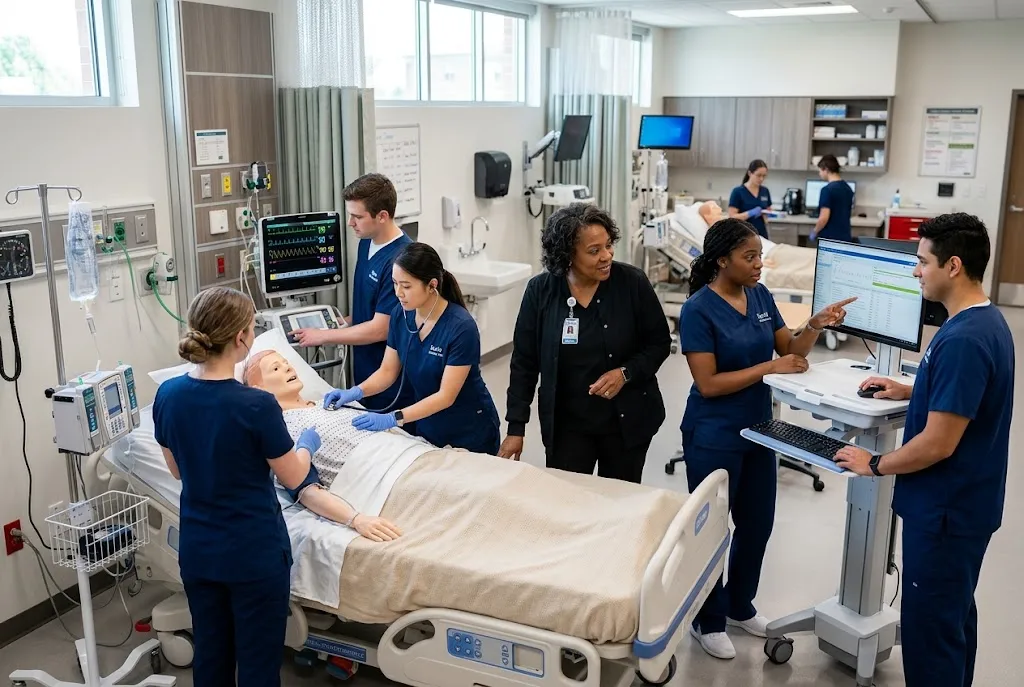

In today’s fast-paced world, adult learners are seeking efficient and effective ways to enhance their knowledge and skills. One powerful method gaining traction is peer collaboration. By working together, adult students can leverage each other’s strengths, share diverse perspectives, and accelerate their learning journey. This approach is particularly beneficial in specialized fields such as cardiac education, where complex concepts require deep understanding and practical application.
The Power of Peer Collaboration in Adult Learning
Adult learners bring a wealth of experience and practical knowledge to the table. When they collaborate, they can bridge gaps in understanding and reinforce each other’s learning. Peer collaboration fosters a sense of community, accountability, and motivation. In the context of cardiac education, this means that students can discuss case studies, share insights from their professional experiences, and solve problems together, leading to a more comprehensive understanding of cardiovascular health.
Creating Effective Peer Learning Environments
To maximize the benefits of peer collaboration, it’s essential to create an environment that encourages open communication and active participation. This can be achieved by organizing study groups, discussion forums, and collaborative projects. In cardiac education, for instance, students can work together on research projects, analyze patient case histories, and present their findings to the group. Such activities not only enhance knowledge but also build critical thinking and presentation skills.
Leveraging Technology for Collaborative Learning
In the digital age, technology plays a pivotal role in facilitating peer collaboration. Online platforms allow adult learners to connect, share resources, and collaborate in real-time, regardless of geographical barriers. For cardiac education groups, virtual simulations, webinars, and online discussion boards can provide interactive learning experiences. These tools enable students to engage with complex cardiac scenarios, receive immediate feedback, and collaborate with peers and instructors, enriching their learning experience.
Real-World Applications of Peer Collaboration in Cardiac Education
Peer collaboration has proven effective in various real-world scenarios within cardiac education. For example, nursing students have engaged in peer learning to enhance their skills in electrocardiogram interpretation. Studies have shown that collaborative learning improves students’ confidence and competence in ECG analysis, leading to better patient outcomes. By working together, students can discuss challenging cases, share insights, and learn from each other’s experiences, thereby deepening their understanding of cardiac care.
Overcoming Challenges in Peer Collaboration
While peer collaboration offers numerous benefits, it also presents challenges. Differences in learning styles, communication barriers, and varying levels of expertise can hinder effective collaboration. To overcome these obstacles, it’s crucial to establish clear goals, set expectations, and provide guidance. In cardiac education groups, assigning roles based on individual strengths, such as research, presentation, or analysis, can ensure that each member contributes meaningfully to the group’s success.
Measuring the Impact of Peer Collaboration
Assessing the effectiveness of peer collaboration is essential to ensure that learning objectives are met. This can be done through evaluations, feedback surveys, and performance assessments. In cardiac education, instructors can assess students’ understanding through quizzes, practical demonstrations, and group presentations. By measuring outcomes, educators can identify areas for improvement and make necessary adjustments to enhance the learning experience.
Building a Sustainable Peer Collaboration Model
For peer collaboration to be sustainable, it must be integrated into the learning culture. This involves promoting the value of teamwork, encouraging continuous communication, and providing ongoing support. In cardiac education groups, regular meetings, mentorship programs, and collaborative research initiatives can sustain peer collaboration. By fostering a culture of mutual respect and shared learning, adult students can continue to benefit from collaborative learning throughout their educational journey.
Conclusion: Embracing Peer Collaboration for Enhanced Learning Outcomes
Peer collaboration is a powerful tool that can significantly enhance learning outcomes for adult students. By working together, students can deepen their understanding, develop critical skills, and achieve their educational goals more effectively. In specialized fields like cardiac education, where knowledge is complex and ever-evolving, peer collaboration provides a dynamic and supportive learning environment. Embracing this approach can lead to more engaged, confident, and competent learners, ready to tackle the challenges of their chosen fields.