
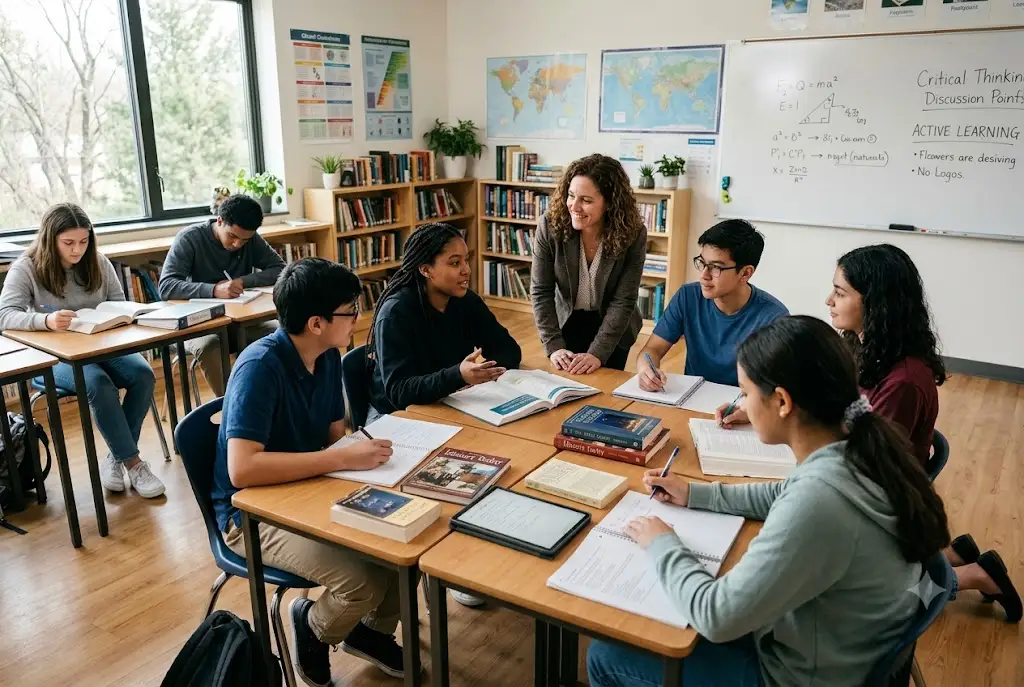
Language as a tool for learning plays a central role in how students acquire knowledge, develop critical thinking skills, and communicate ideas effectively. While language is often viewed as a subject on its own, it is also the primary medium through which learning occurs across nearly every academic discipline.
From reading instructions and participating in classroom discussions to solving problems and expressing complex ideas, language supports every stage of the learning process. Understanding the connection between language and education helps educators, parents, and students create stronger learning environments that promote academic achievement and lifelong success.
Understanding Language as a Tool for Learning
Language is more than a means of communication. It serves as the foundation for thinking, reasoning, understanding concepts, and sharing knowledge. Students use language to process information, ask questions, interpret meaning, and engage with educational content.
Whether learning mathematics, science, history, or the arts, students rely on language skills to understand instructions, analyze information, and demonstrate what they have learned.
The concept of language for learning emphasizes that strong language skills are essential not only in language classes but across all areas of education.
The Role of Language in Education
The role of language in education extends far beyond reading and writing assignments. Language shapes how students engage with information and interact with others.
Supporting Knowledge Acquisition
Most educational content is delivered through spoken, written, or visual language. Students must understand language structures and vocabulary to absorb new concepts effectively.
Developing Critical Thinking
Language enables learners to compare ideas, evaluate evidence, form arguments, and solve problems. Strong language skills contribute directly to higher-order thinking abilities.
Facilitating Collaboration
Classroom learning often involves discussion, teamwork, and presentations. Effective communication helps students share ideas, ask questions, and participate actively in learning experiences.
How Language Supports Academic Achievement
Students with strong language skills are often better equipped to succeed academically because they can engage more effectively with educational materials.
Language supports:
- Reading comprehension
- Writing proficiency
- Research skills
- Problem-solving abilities
- Information retention
- Classroom participation
As students strengthen their language abilities, they often improve performance across multiple subjects rather than only in language-related courses.
Language Development and Literacy Growth
Language and literacy are closely connected. Literacy development depends on a learner’s ability to understand vocabulary, sentence structure, and meaning.
Children who develop strong language foundations early often become more confident readers and writers later in their academic journey.
This is one reason why language learning for kids has become an important focus for parents and educators seeking to support long-term educational success.
Language Across Different Subjects
Every academic discipline has its own vocabulary, communication styles, and ways of presenting information.
Language in Science
Scientific learning requires students to understand technical terminology, interpret explanations, and communicate observations clearly.
Language in Mathematics
Math involves more language than many people realize. Students must interpret word problems, understand instructions, and explain reasoning processes.
Language in Social Studies
History, geography, and civics rely heavily on reading comprehension, analysis, and discussion skills.
Language in Creative Subjects
Arts, literature, and media studies require students to interpret meaning, express opinions, and communicate creative ideas effectively.
The Importance of Multilingual Learning
Learning additional languages can strengthen overall language awareness and cognitive flexibility. Students exposed to multiple languages often develop a deeper understanding of grammar, vocabulary, and communication patterns.
Research suggests that multilingual learners may benefit from enhanced problem-solving skills, improved attention control, and greater cultural awareness.
Educational technology has made multilingual learning more accessible through resources such as a top rated children English language app and other digital learning platforms.
Language and Student Confidence
Students who can communicate effectively are often more willing to participate in classroom discussions, ask questions, and express their ideas.
Strong language skills contribute to:
- Greater self-confidence
- Improved classroom engagement
- Enhanced presentation abilities
- Better peer collaboration
- Stronger academic independence
When learners feel comfortable using language, they are more likely to take intellectual risks and explore new concepts.
Educational Standards and Language Development
Many educational frameworks recognize the importance of language across all areas of learning. Curriculum designers increasingly integrate communication skills into broader academic standards.
For example, the World-Readiness Standards for Learning Languages emphasize communication, cultural understanding, and practical language use as essential educational outcomes.
These frameworks help educators create learning experiences that prepare students for real-world communication and lifelong learning.
How Educators Can Strengthen Language for Learning
Teachers play a critical role in helping students develop language skills that support academic success.
Effective strategies include:
- Encouraging active classroom discussions
- Teaching academic vocabulary explicitly
- Using reading-rich learning environments
- Providing opportunities for written reflection
- Promoting collaborative learning activities
- Supporting multilingual learners
By integrating language development into all subjects, educators can help students become more confident and capable learners.
Preparing Students for Future Success
Strong communication abilities remain among the most valuable skills in higher education and the workforce. Students who develop language proficiency can often adapt more effectively to changing academic and professional demands.
According to the UNESCO education resources, language plays a critical role in inclusive, equitable, and quality education worldwide.
As technology, globalization, and workplace expectations continue to evolve, language skills will remain fundamental to lifelong learning and career development.
Conclusion
Language as a tool for learning is one of the most important foundations of education. It enables students to acquire knowledge, develop critical thinking abilities, communicate ideas, and succeed across academic disciplines. The role of language in education extends far beyond language classes, influencing every aspect of how learners understand and engage with the world.
By prioritizing language development in classrooms, homes, and educational programs, educators and families can help students build the skills needed for academic achievement, meaningful communication, and lifelong learning success.