
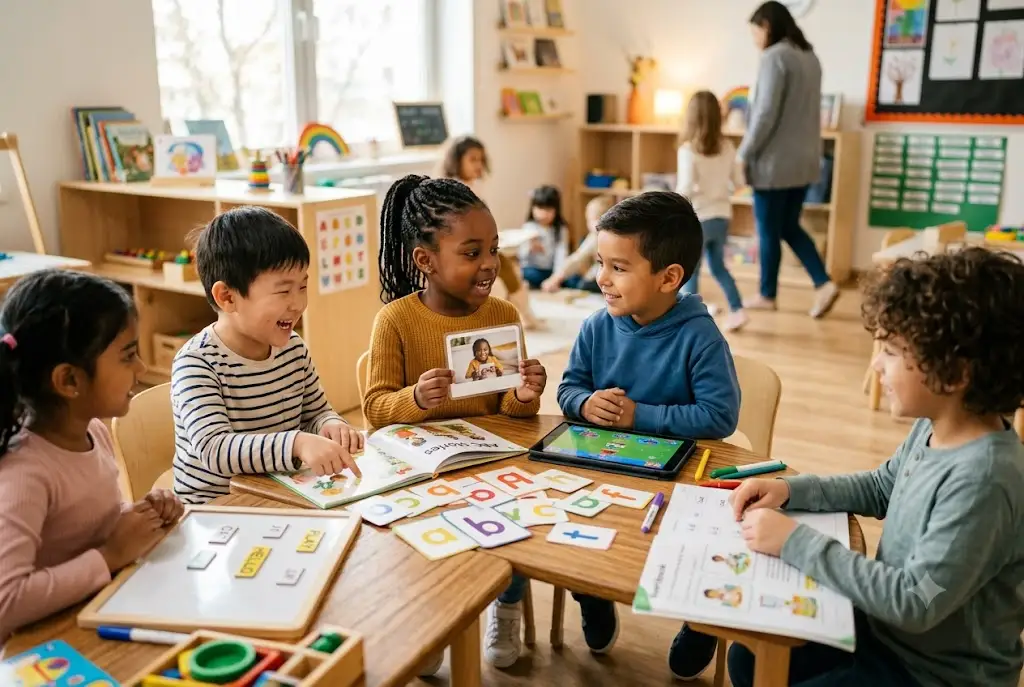
Language learning for kids has become increasingly important in today’s interconnected world. Learning a new language at an early age can strengthen communication skills, improve literacy development, and help children gain a broader understanding of different cultures. Whether families choose classroom instruction, digital learning tools, or immersive experiences, early language education offers benefits that extend well beyond language proficiency.
As technology continues to transform education, parents now have access to a wide range of children language apps, interactive lessons, and language learning programs for kids designed to make learning both engaging and effective. Understanding how children learn languages and selecting the right resources can help create a positive and rewarding educational journey.
Why Language Learning for Kids Matters
Children have a natural ability to absorb language patterns, pronunciation, and vocabulary during their early developmental years. This makes childhood an ideal time to introduce a second language.
Research consistently shows that learning another language can improve memory, listening skills, problem-solving abilities, and cognitive flexibility. Additionally, multilingual children often demonstrate stronger reading and writing skills in their primary language.
Language learning also supports social and emotional growth. Children who learn another language often develop greater cultural awareness, empathy, and confidence when interacting with people from diverse backgrounds.
Key Benefits of Early Language Education
Enhanced Cognitive Development
Learning multiple languages encourages the brain to switch between different linguistic systems. This process strengthens executive functioning skills such as attention control, critical thinking, and mental flexibility.
Improved Literacy Skills
Many educators recognize that language learning strengthens overall literacy development. Children become more aware of grammar structures, vocabulary patterns, and reading comprehension strategies.
Understanding the broader concept of language as a tool for learning helps explain why language acquisition supports success across many academic subjects.
Greater Cultural Awareness
Language and culture are closely connected. Children exposed to different languages often gain a deeper appreciation for global traditions, customs, and perspectives.
Long-Term Academic Advantages
Students who begin language study early may find it easier to continue advanced language education later in school. Strong language foundations can also support future educational and career opportunities.
How Kids Learn Languages Effectively
Children learn best when language exposure feels natural and enjoyable. Successful language learning experiences often include a combination of listening, speaking, reading, and interactive activities.
Some effective approaches include:
- Storytelling and read-aloud sessions
- Songs and educational music
- Interactive games and activities
- Visual learning tools
- Conversation practice
- Educational videos and multimedia resources
Consistency is often more important than lengthy study sessions. Even short daily exposure can contribute significantly to language development over time.
The Growing Popularity of Children Language Apps
Technology has expanded access to language education through innovative children language apps. These platforms often combine lessons, games, quizzes, and rewards to maintain engagement.
A quality kids language app can help reinforce vocabulary, pronunciation, listening skills, and sentence construction in a fun and interactive format. Many parents appreciate the flexibility these tools provide, allowing children to learn at their own pace.
As educational technology evolves, specialized apps continue to offer age-appropriate learning experiences designed to support various learning styles and proficiency levels.
Choosing the Right Kids Language App
Not all digital learning tools offer the same educational value. Parents should evaluate apps based on learning outcomes, usability, and age appropriateness.
Important factors to consider include:
- Clear educational objectives
- Interactive and engaging content
- Progress tracking features
- Age-appropriate lesson design
- High-quality audio pronunciation
- Safe and child-friendly user experience
For families specifically focused on English development, exploring a top rated children English language app can provide targeted support for vocabulary building, reading comprehension, and communication skills.
Language Learning Programs for Kids: Beyond Apps
While technology can be valuable, comprehensive language learning programs for kids often combine multiple teaching methods. These programs may include live instruction, collaborative activities, reading materials, and real-world language practice.
Structured programs frequently provide:
- Curriculum-based learning pathways
- Progressive skill development
- Speaking and listening practice
- Cultural learning opportunities
- Regular assessments and feedback
Combining digital tools with structured educational programs can help create a balanced and effective language-learning experience.
Supporting Language Learning at Home
Parents play an important role in helping children maintain motivation and consistency. Creating a language-rich environment at home does not require fluency in the target language.
Simple strategies include:
- Reading bilingual books together
- Watching educational programs in the target language
- Practicing basic vocabulary during daily routines
- Listening to songs and stories
- Celebrating learning milestones
Regular encouragement and positive reinforcement can significantly improve children’s confidence and willingness to use new language skills.
The Role of Educational Standards in Language Learning
Educational frameworks help guide effective language instruction and learning outcomes. Schools and educational organizations often align their curricula with recognized standards to ensure meaningful skill development.
For example, the World-Readiness Standards for Learning Languages provide a structured framework that emphasizes communication, culture, connections, comparisons, and communities.
These standards help educators design learning experiences that prepare students for real-world communication and global engagement.
Preparing Children for a Multilingual Future
The demand for multilingual communication continues to grow across education, business, and international collaboration. Early language learning helps children develop valuable skills that can support future academic and professional success.
Beyond practical benefits, language education encourages curiosity, adaptability, and lifelong learning habits. These qualities are increasingly important in a rapidly changing global environment.
According to the American Council on the Teaching of Foreign Languages (ACTFL), language education supports communication skills and intercultural competence that benefit learners throughout their lives.
Conclusion
Language learning for kids offers far-reaching benefits that extend beyond mastering vocabulary and grammar. Early language education can strengthen literacy, cognitive development, cultural understanding, and communication skills. Whether through children language apps, structured language learning programs for kids, or everyday language experiences at home, young learners have more opportunities than ever to develop valuable multilingual abilities.
By choosing quality learning resources and encouraging consistent practice, parents and educators can help children build a strong foundation for lifelong learning and global citizenship.